Modular Pinhole Cameras
Laser-cut wooden pinhole cameras with modular lens assemblies, film cartridge systems, and panoramic capabilities.
Modular Pinhole Cameras
Overview
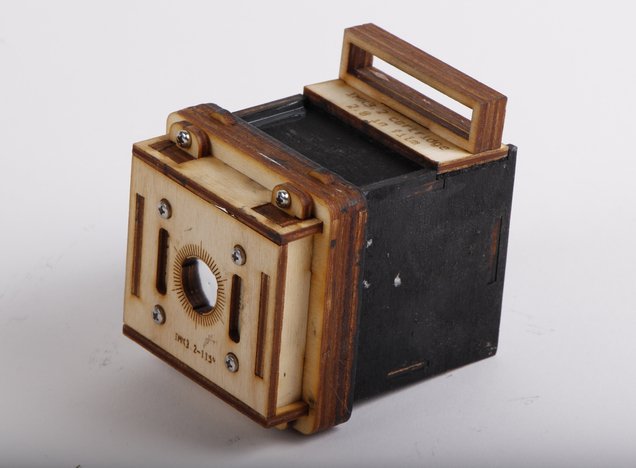
I designed and built a series of modular pinhole cameras from laser-cut wood, evolving from simple prototypes to sophisticated systems with removable lens assemblies and reusable film cartridges. Working alongside Schuyler Johnson and Trevor McDonald, I developed cameras capable of multiple exposures with panoramic format options, combining traditional analog photography with modern digital fabrication techniques.
The project produced a collection of photographs with pinhole photography’s characteristic look—near-infinite depth of field, soft focus, and distinctive perspective distortion. Each camera iteration solved specific technical challenges around light sealing, film transport, and modular connectivity.
The final camera features removable lens assemblies and modular design, allowing attachment to panoramic film chambers with larger film dimensions. This system enables multiple exposures while maintaining the authentic analog aesthetic of traditional pinhole photography.
Role & Context
I worked on this project individually while collaborating with two other makers, sharing findings and techniques across iterations. This was completed in September 2023 as an exploration of analog photography techniques using modern fabrication tools. My role encompassed the entire pipeline: optical calculations, CAD design, laser cutting, assembly, film processing, and darkroom development.
The collaborative aspect proved invaluable—while we each built our own cameras, we shared discoveries about light sealing, film transport mechanisms, and exposure techniques. This accelerated the learning process and led to more refined final designs.
Tech Stack
- CAD Design: Rhino, Fusion 360
- Fabrication: Laser cutting (wood)
- Materials: Plywood, black paint, felt, rubber sheets, screws
- Photography: Analog film, darkroom processing
- Optics: Calculated pinhole apertures and focal lengths
Problem
Traditional pinhole cameras are typically single-use devices that require destroying the camera to retrieve the film. I wanted to create a reusable system that could:
- Support multiple exposures without rebuilding the camera
- Eliminate light leaks that plague many DIY pinhole cameras
- Enable modular configurations for different photographic applications
- Maintain the authentic analog aesthetic while improving usability
The challenge was engineering precise mechanical systems using only laser-cut wood and basic hardware, while achieving the tight tolerances necessary for light-tight photography equipment.
Approach / Architecture
The camera system consists of three main subsystems:
- Modular Body: Laser-cut wooden panels with precision joints and screw assembly
- Film Cartridge System: Layered wood construction with felt and rubber sealing
- Removable Lens Assemblies: Interchangeable front elements with calculated pinhole apertures
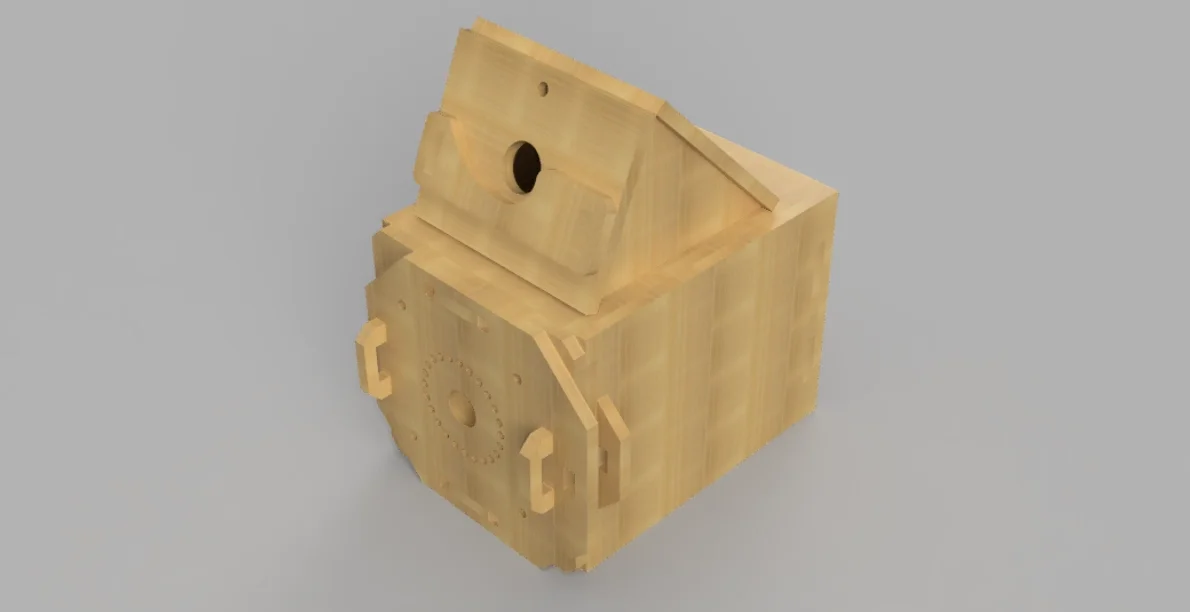
The modular design allows the same lens assembly to attach to different film chambers, including a panoramic format for wider compositions. Each component was designed in CAD with careful attention to joint tolerances and light sealing requirements.
Key Features
- Reusable film cartridge system enabling multiple exposures per camera
- Modular lens assemblies with calculated pinhole dimensions
- Panoramic format capability through interchangeable film chambers
- Internal shutter mechanism for precise exposure control
- Light-tight construction using layered sealing materials
- Precision laser-cut joints for reliable assembly and disassembly
Technical Details
Design Evolution
The project progressed through several distinct iterations, each solving specific technical challenges:
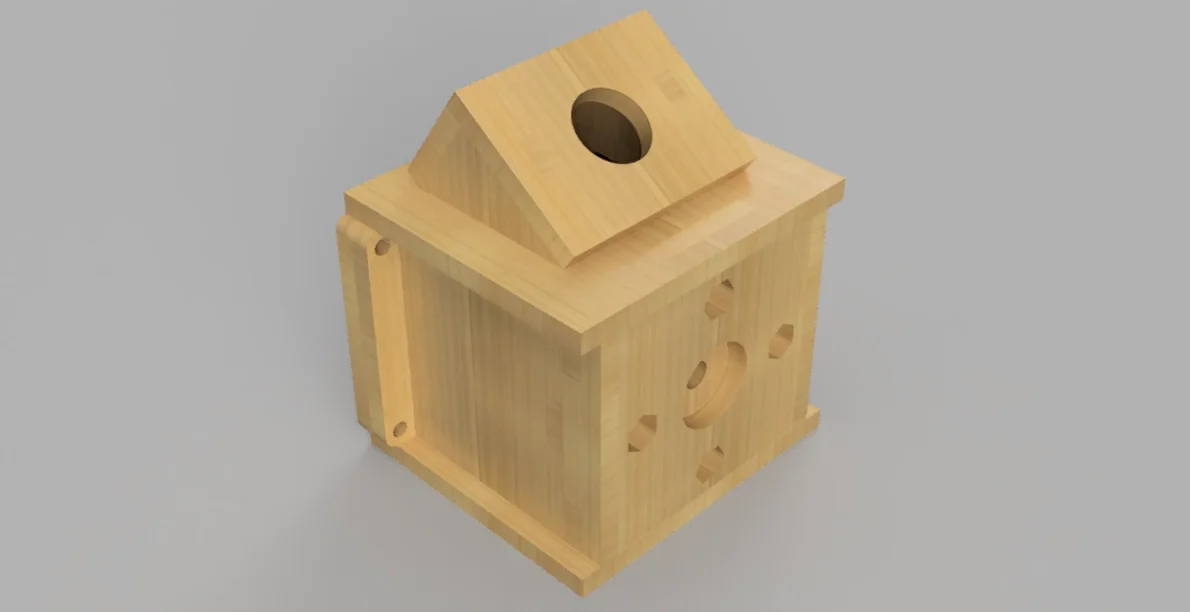
The first prototypes were simple box constructions that revealed fundamental issues with light sealing and film handling. Early cameras required careful manual covering of the pinhole for exposure control.
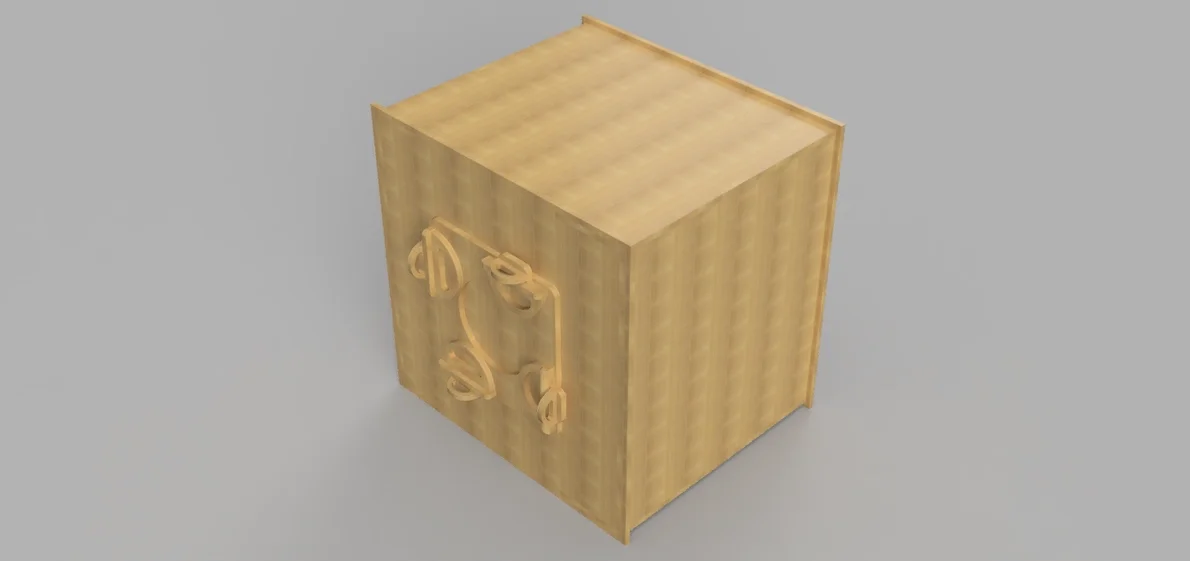
Mid-stage prototypes explored larger film formats and began incorporating black paint for interior light absorption. These versions helped establish optimal pinhole-to-film distances for different image formats.
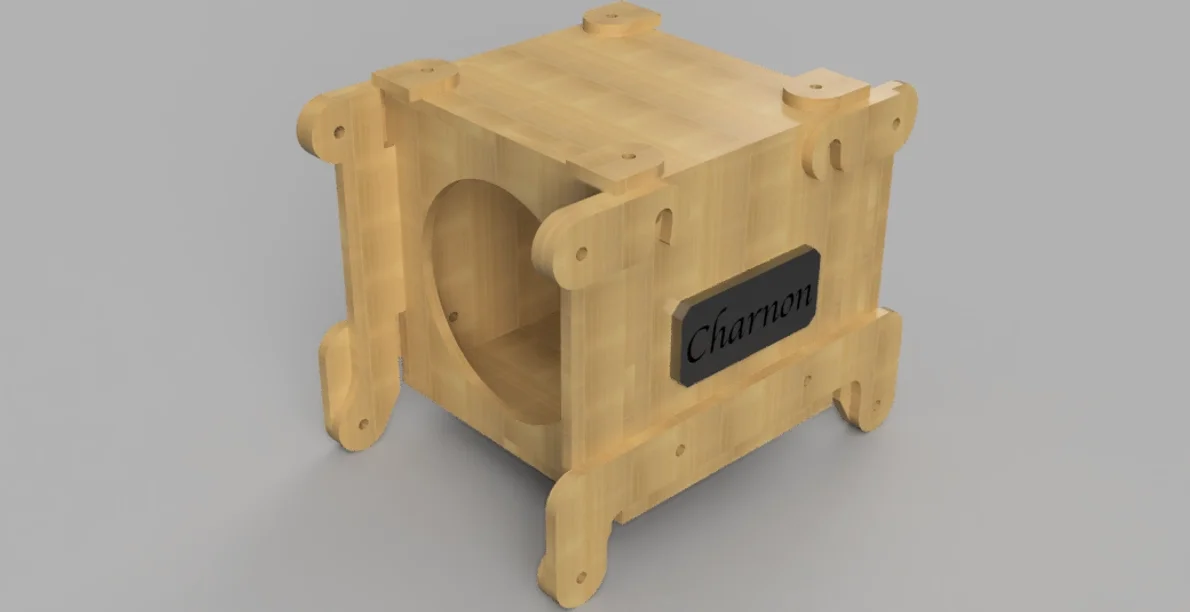
Later prototypes focused on mechanical sealing solutions, using layered materials and precision joints to eliminate light leaks. This iteration introduced the film cartridge concept that became central to the final design.
Optical Design
I calculated pinhole diameters and focal lengths using the optimal pinhole formula to balance sharpness and light gathering. The removable lens assemblies allow for different focal lengths while maintaining consistent film plane distances.
For a focal length of 50mm, the optimal pinhole diameter is approximately 0.25mm, providing the best balance between diffraction and geometric blur. The modular system accommodates multiple pinhole sizes for different creative effects.
Film Cartridge System
The breakthrough innovation was the reusable film cartridge system:
- Layered Construction: Outer wooden structure provides rigidity
- Light Sealing: Black felt creates primary light barriers
- Air Gap Elimination: Rubber sheets seal critical junctions
- Film Path: Precision-cut slots guide film insertion and removal
Film Loading Process:
1. Open cartridge in darkroom
2. Insert film sheet into guided slot
3. Close and seal cartridge
4. Transport to shooting location
5. Make exposure
6. Return to darkroom for film removal
CAD Workflow
I designed the cameras using a two-stage CAD process:
- Conceptual Design in Rhino for form exploration and proportion studies
- Detailed Engineering in Fusion 360 for parametric modeling and laser cutting preparation
The parametric approach in Fusion 360 enabled rapid iteration on joint designs and maintained dimensional relationships across modular components. Each laser cutting file included precise kerf compensation for tight-fitting joints.
Light Sealing Strategy
Early prototypes suffered from significant light leaks, which I systematically eliminated through multiple approaches:
- Surface Treatment: Black paint on all interior surfaces
- Joint Sealing: Felt gaskets at panel intersections
- Barrier Systems: Rubber sheet overlays at critical junctions
- Labyrinth Seals: Complex film paths that prevent direct light entry
The final design achieved zero detectable light leaks during extended test exposures.
Shutter Mechanism
The final camera incorporates an internal sliding shutter mechanism that eliminates the need to manually cover the pinhole. This provides:
- Consistent Exposures: Repeatable shutter operation
- Precise Timing: Clean start/stop of exposures
- Reduced Camera Shake: No need to manipulate external covers
- Professional Operation: More intuitive shooting experience
Results
The camera system produced photographs with good exposure control and minimal light leakage, ranging from architectural studies to portraits.
Portrait Photography
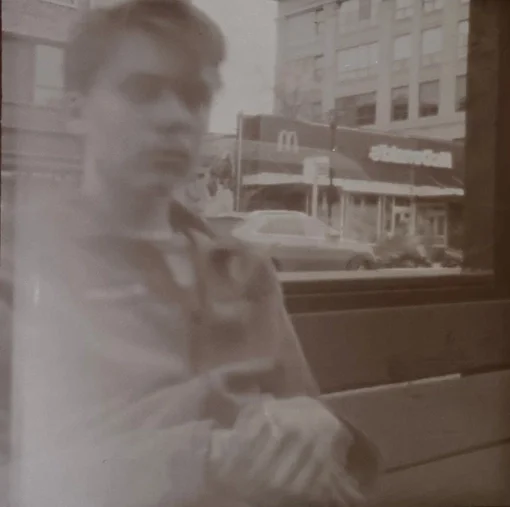
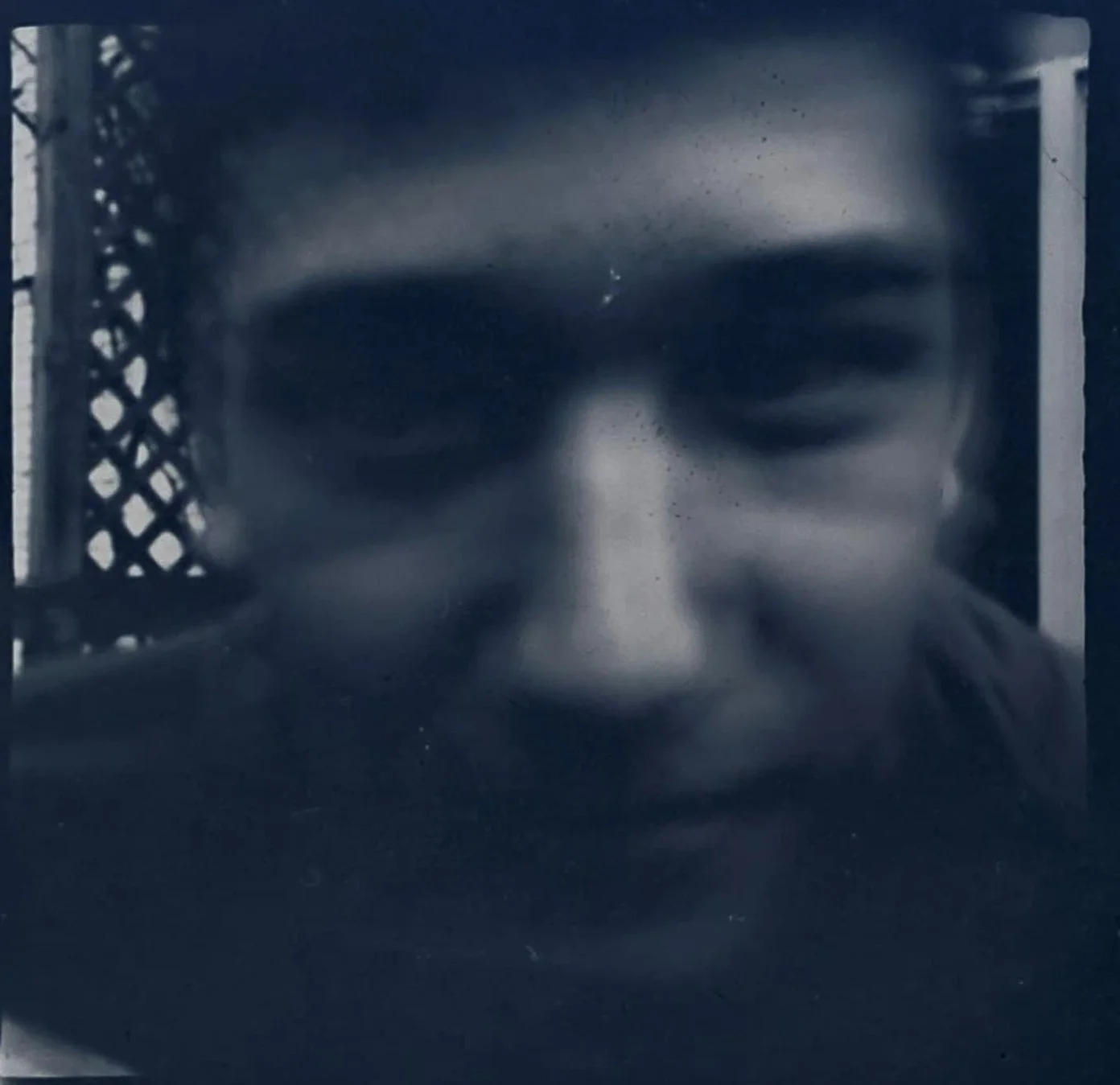
The cameras excel at portrait work, creating soft, ethereal images with infinite depth of field. Long exposure times (typically 5-30 seconds) require subjects to remain still, resulting in a contemplative quality unique to pinhole photography.
Architectural Documentation
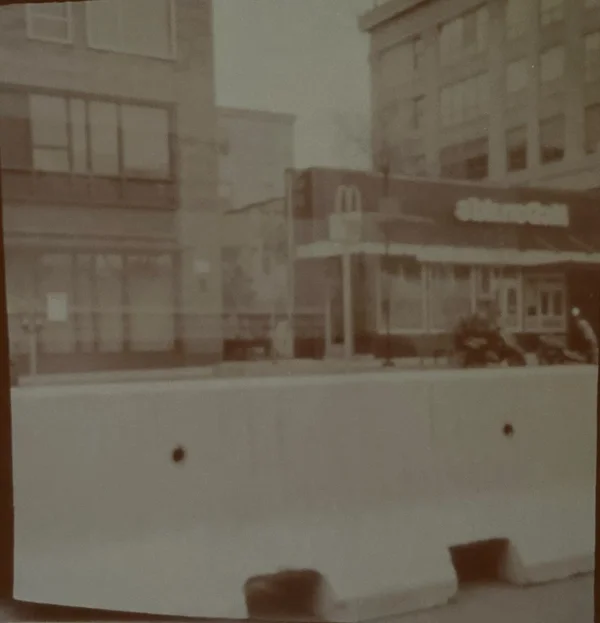
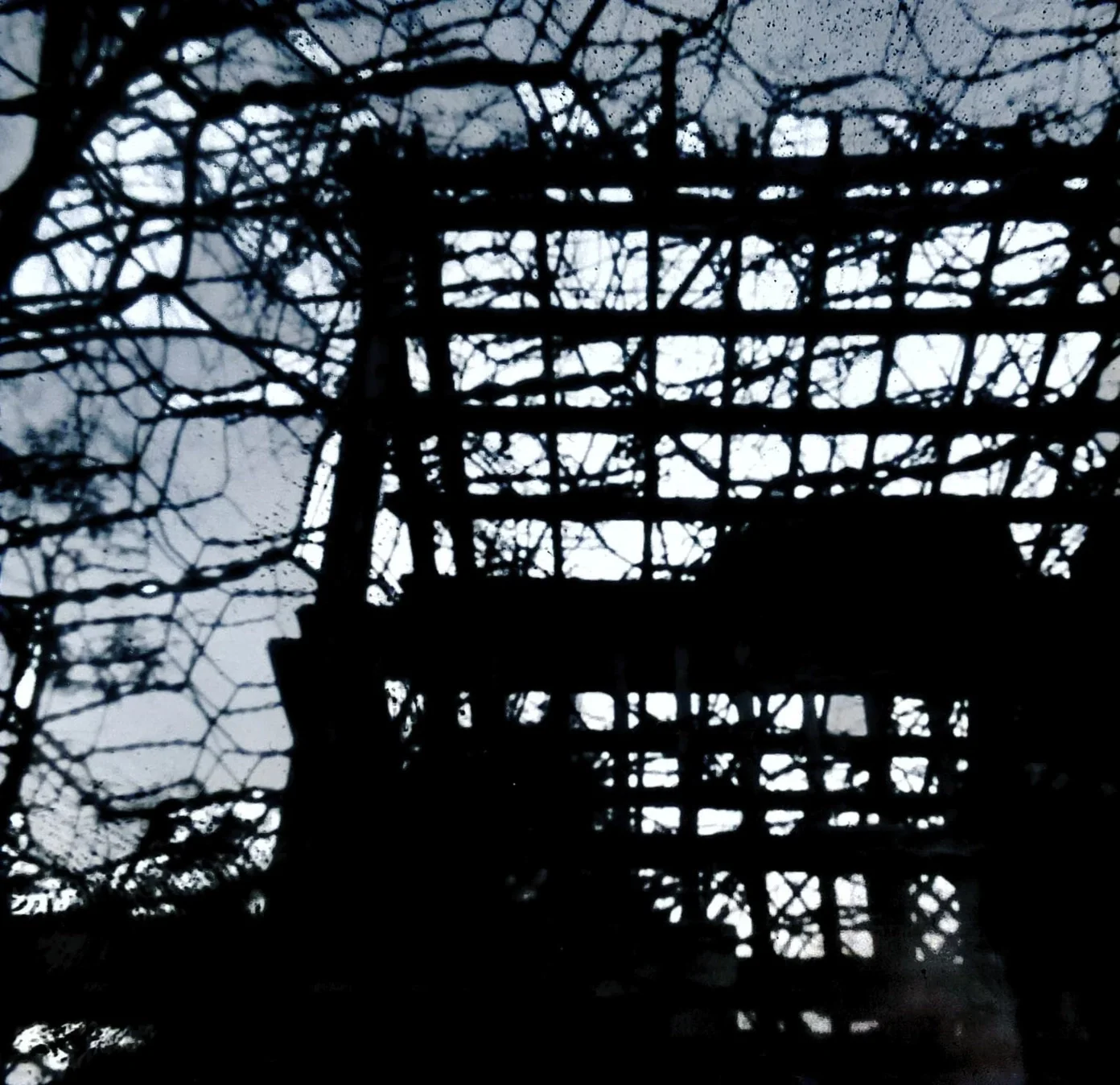
The cameras capture architectural details with characteristic pinhole distortion and infinite focus. The lack of a traditional lens creates unique perspective effects, especially noticeable in geometric subjects.
Panoramic Capabilities
The modular system’s panoramic mode produces wide-format images with distinctive curved perspective:
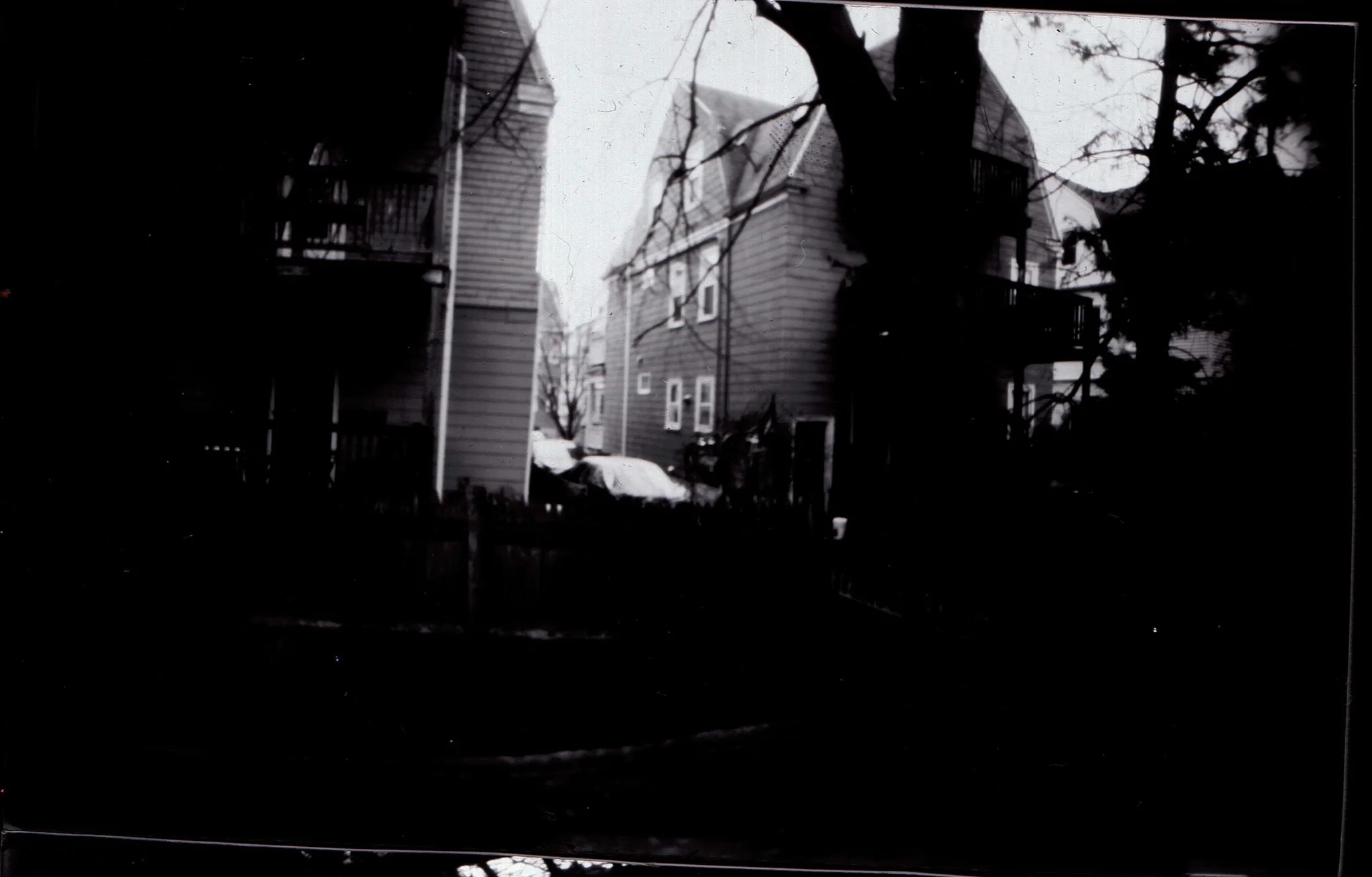
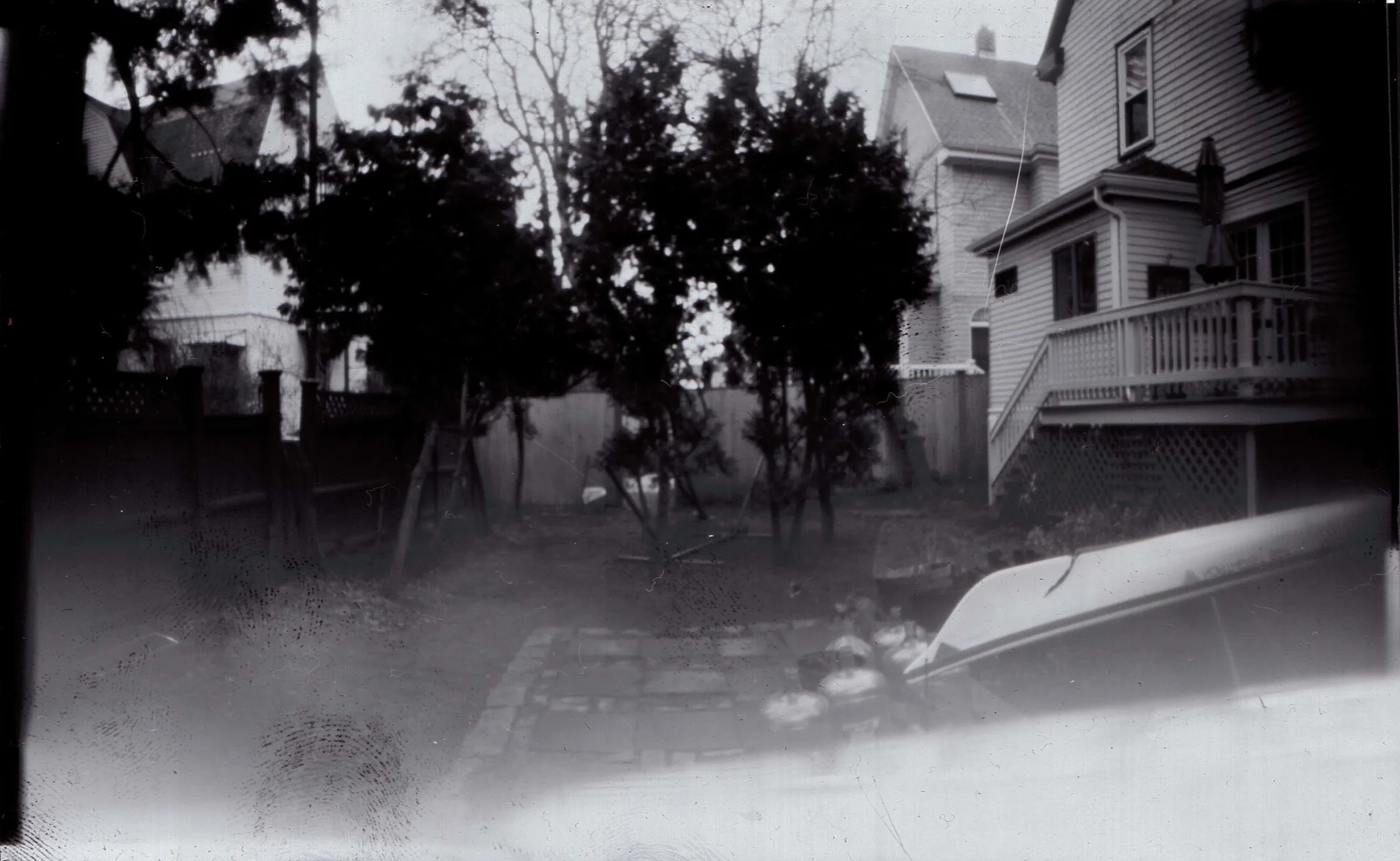
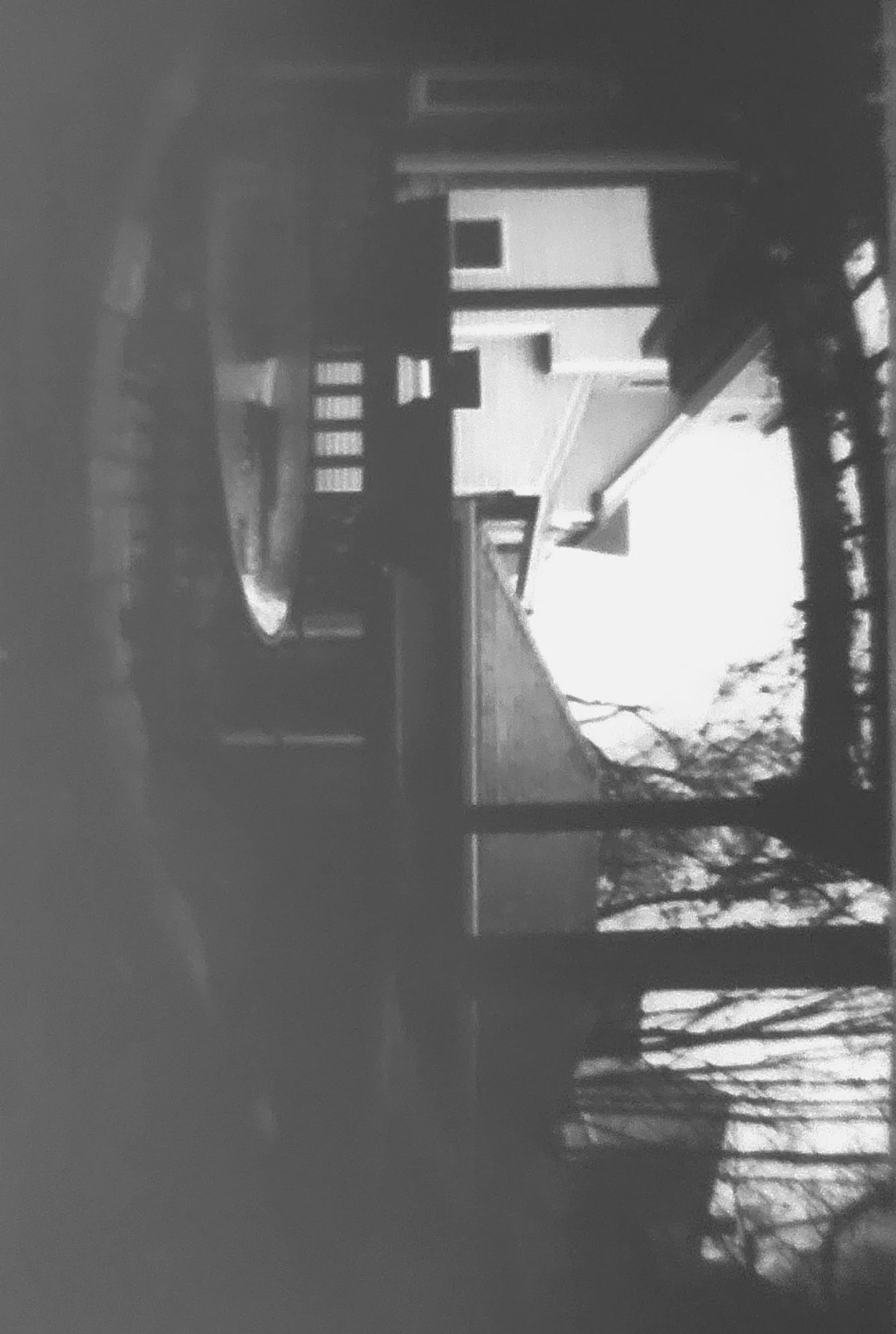
The panoramic format captures expansive scenes while maintaining the intimate, handmade quality of pinhole photography.
Experimental Techniques
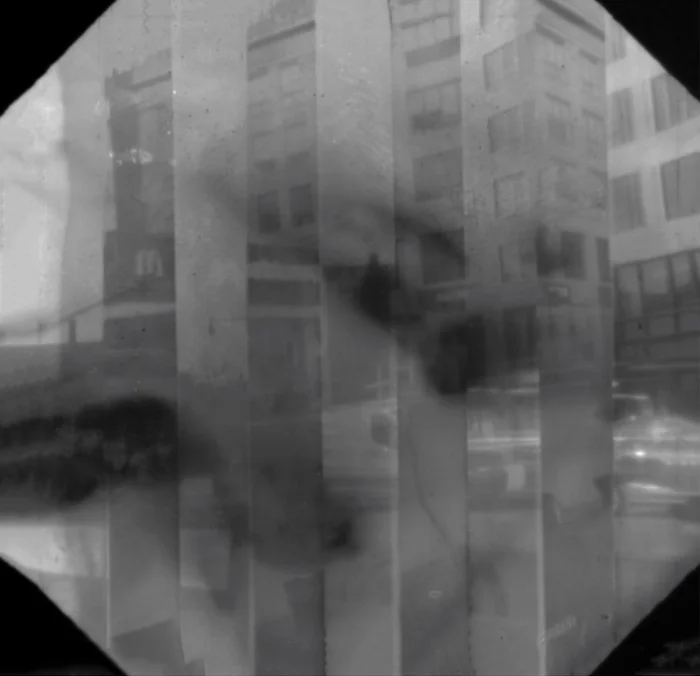
The reusable cartridge system enabled experimental techniques like double exposures and creative compositions that would be difficult with traditional single-use pinhole cameras.
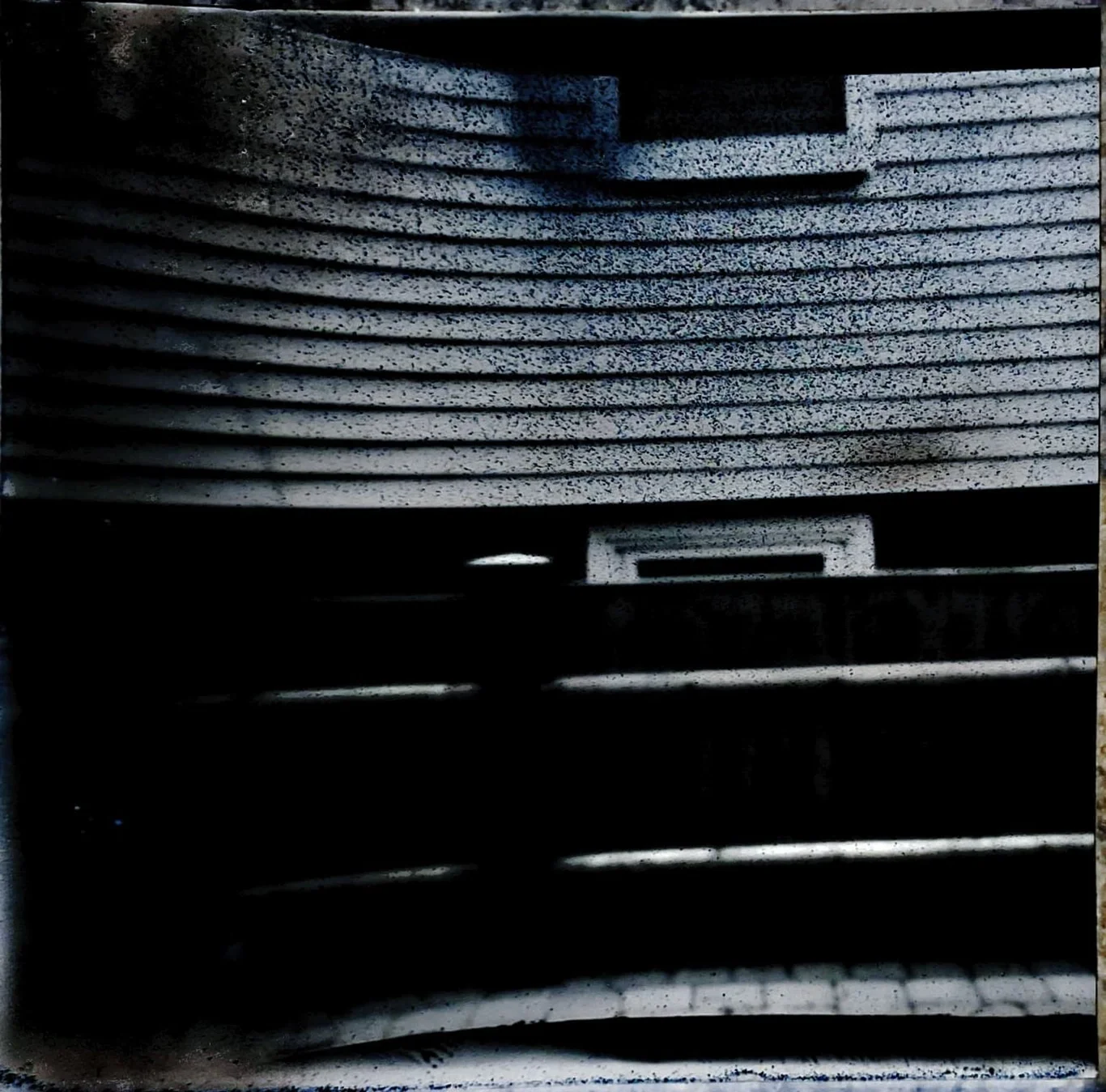
Still Life and Detail Work
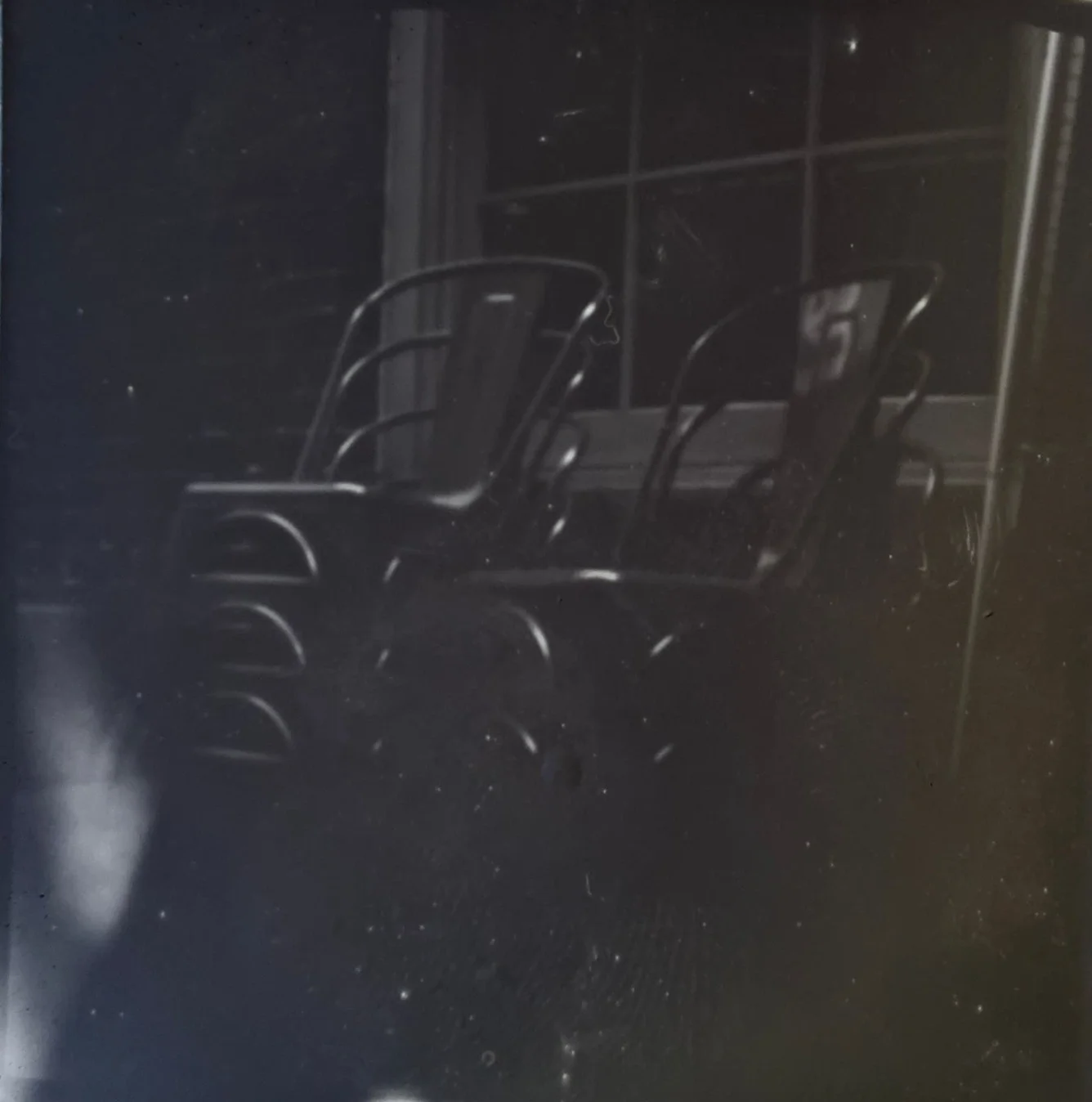
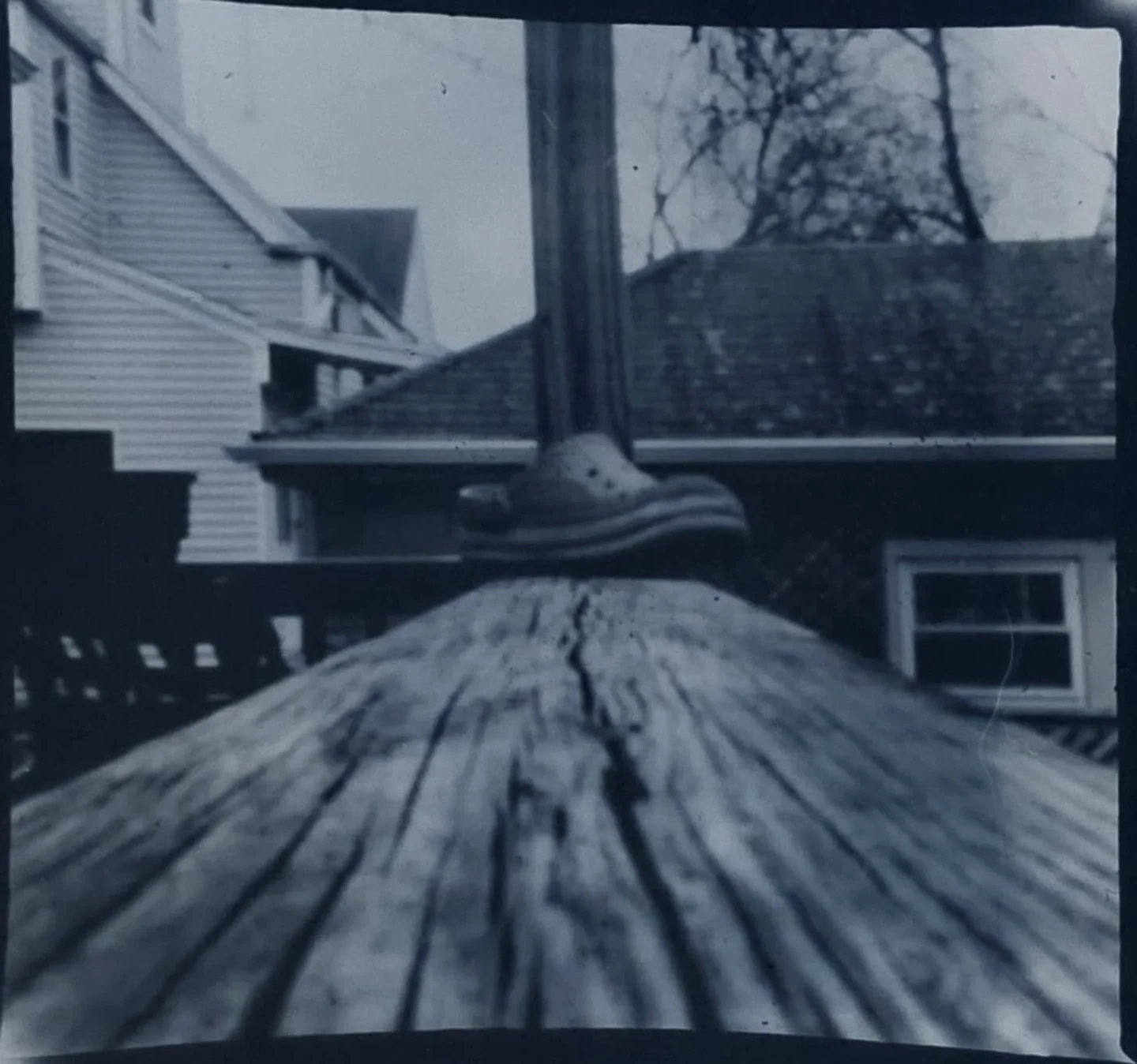
The cameras handle both intimate still life subjects and broader environmental scenes with equal effectiveness.
Performance Metrics
- Zero light leaks in final design iterations
- Sub-millimeter precision in laser-cut joints
- Multiple format support through modular components
- Successful film processing with consistent results
- 20+ successful exposures across various lighting conditions
Lessons Learned
Material Selection: Wood proved excellent for structural components, but required careful sealing for light-tight applications. The combination of paint, felt, and rubber created an effective multi-layer barrier system that eliminated light leaks completely.
Iterative Design: Each prototype revealed new challenges, particularly around light sealing and film transport. The collaborative aspect with Schuyler and Trevor accelerated learning through shared problem-solving and technique sharing.
Precision Requirements: Pinhole photography demands much tighter tolerances than initially expected. Gaps that seem insignificant can cause major light leaks during long exposures. Laser cutting precision was essential for achieving the required fit tolerances.
CAD Integration: The parametric capabilities of Fusion 360 were essential for rapidly iterating joint designs and maintaining dimensional relationships across modular components. The ability to quickly modify and re-cut components enabled rapid prototyping cycles.
Film Handling: Developing an efficient workflow for loading and unloading film in darkroom conditions was crucial. The cartridge system needed to be intuitive to operate by feel alone.
Exposure Calculation: Pinhole exposure times are significantly longer than conventional photography. Developing reliable exposure calculation methods and testing procedures was essential for consistent results.
Links
- Collaborators: Schuyler Johnson, Trevor McDonald
- Techniques: Analog film photography, darkroom processing
- Materials: Laser-cut plywood, traditional photographic film